Shopping for a Mission Beach home you can enjoy and also rent short term? You are not alone. Mission Beach is a classic San Diego beachfront neighborhood with strong guest appeal and premium property values. In this guide, you will learn how licensing works, what to expect for revenue and costs, and the due diligence you should complete before you write an offer. Let’s dive in.
Why Mission Beach works for vacation rentals
Mission Beach attracts year‑round visitors who want sandy beaches, boardwalk access, and nearby dining. Inventory is limited and prices are premium, which is why many buyers view these homes as lifestyle-first investments with income potential. Recent neighborhood snapshots show the median sale price in Mission Beach in the multi‑million‑dollar range, so plan for stronger acquisition costs relative to revenue. You can review neighborhood pricing context in the Realtor.com Mission Beach overview.
What homes you will find
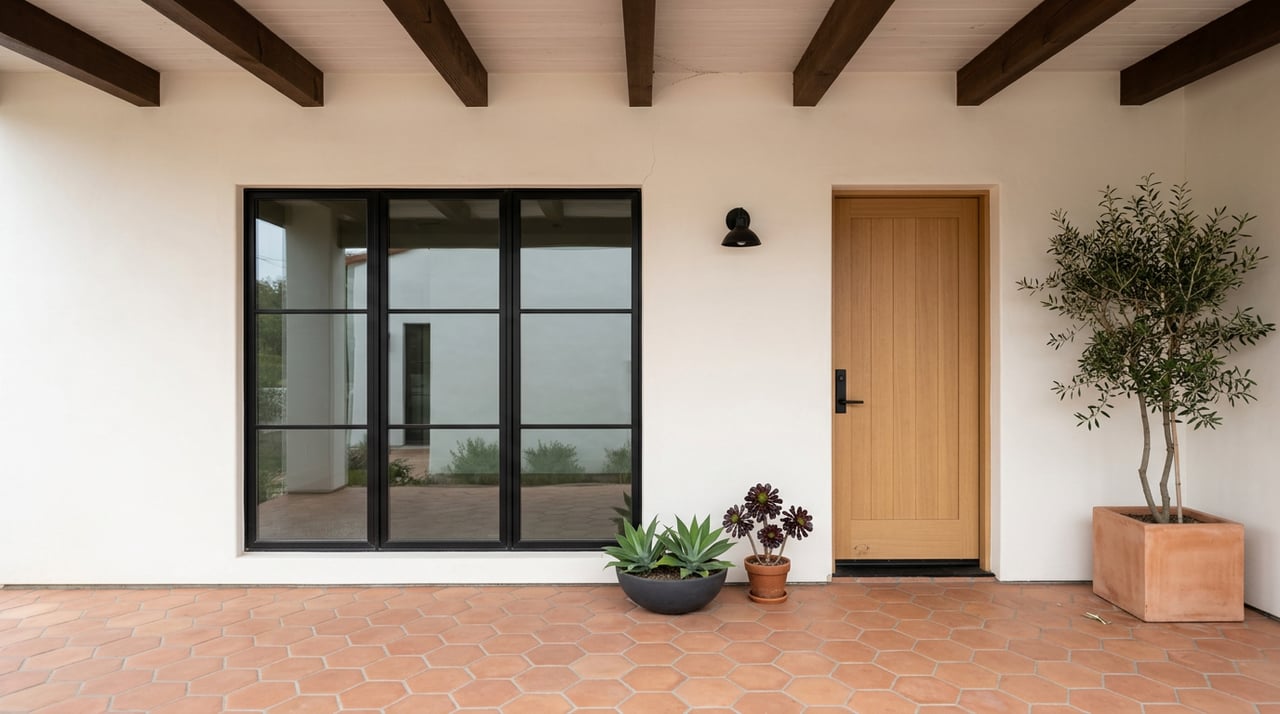
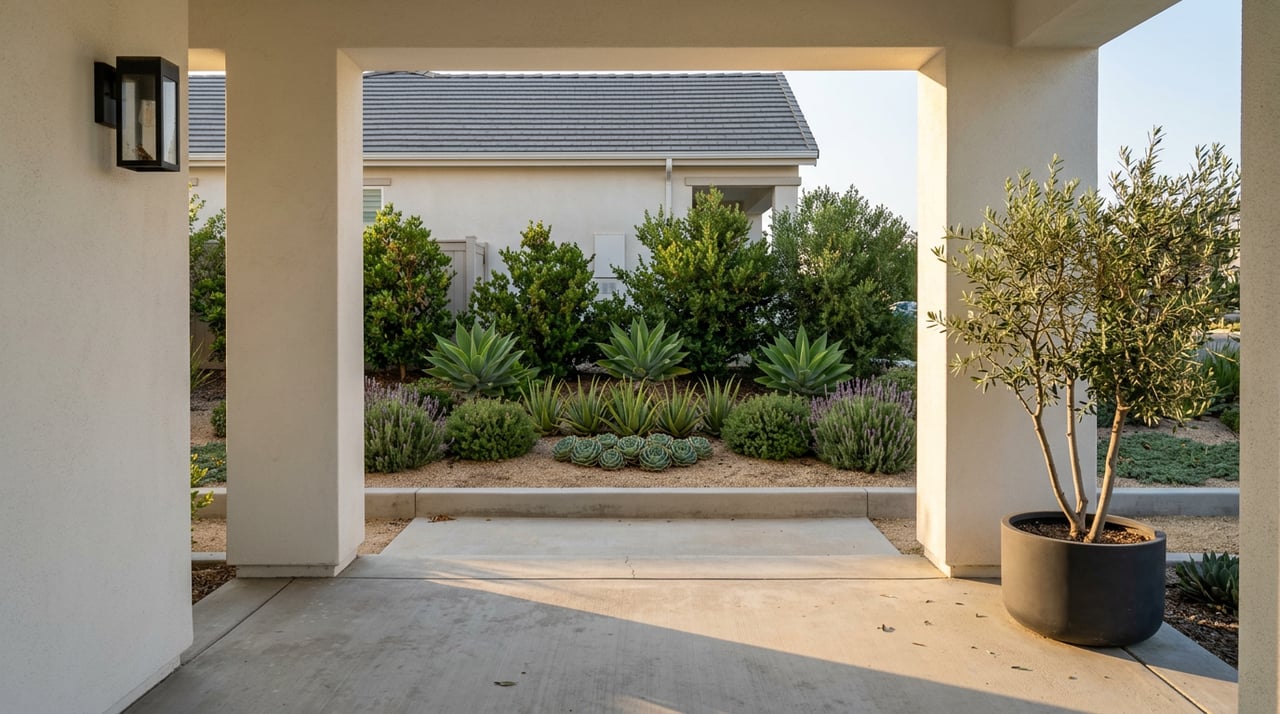
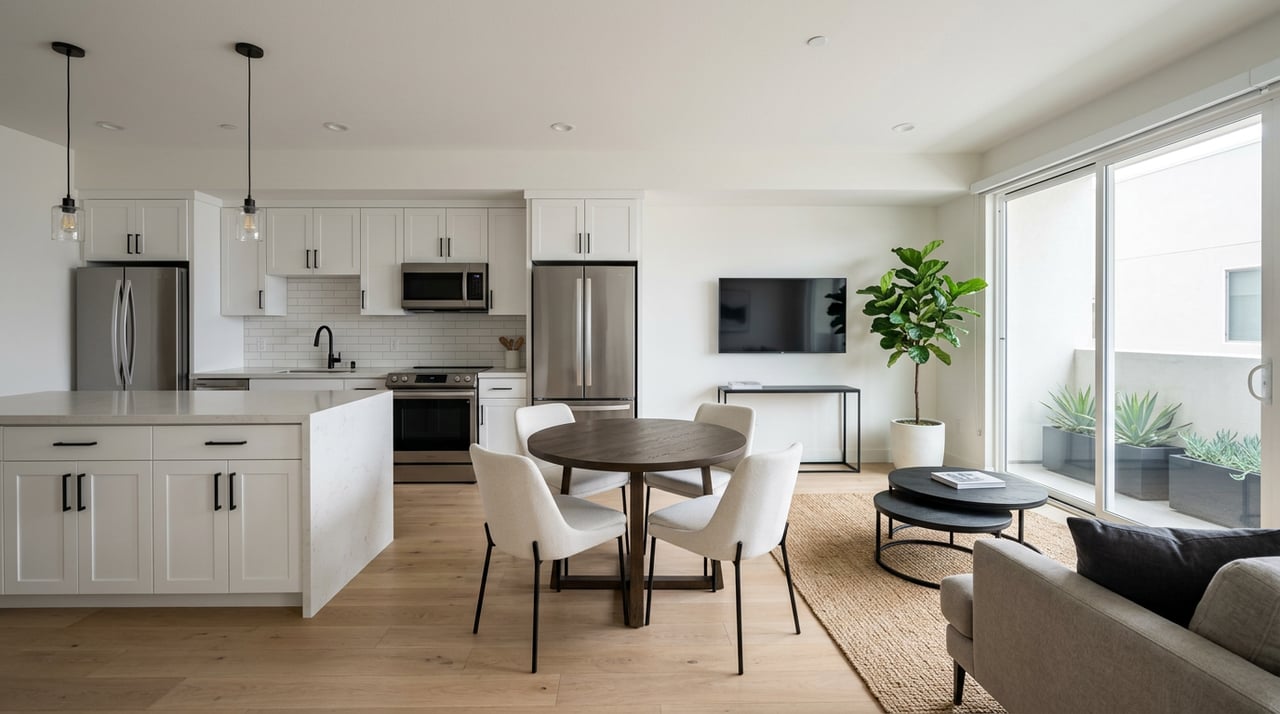
You will see a mix of narrow beach cottages and bungalows along the boardwalk, two and three bedroom single‑family homes, duplexes or stacked units, and some condo buildings along Ocean Front Walk and the bayfront. Many buildings are older with small footprints and limited storage. Off‑street parking is scarce, which can impact guest experience. Expect that properties with deeded parking or garages are easier to manage and market.
Revenue and seasonality
Mission Beach benefits from summer travel, school breaks, and drive markets like Los Angeles and Phoenix. This creates a pronounced seasonal pattern with peak months in summer and slower winter demand. Build your forecast with conservative occupancy for shoulder seasons to avoid overestimating.
City benchmarks to start with
As a baseline, San Diego city‑level short‑term rental benchmarks show an average daily rate around $378 and occupancy near 50.4%, with July as a typical peak and January as the low month, according to AirROI’s San Diego market summary. These are citywide figures and not Mission Beach specific.
Mission Beach premiums vary
Beachfront and walk‑street homes can command higher ADRs and stronger summer occupancy, but exact performance varies by location, bedrooms, parking, and finishes. Validate neighborhood‑level ADR and occupancy using paid STR data or quotes from local managers. Treat any pro forma that assumes year‑round peak occupancy with caution.
Licensing you must have
Operating a Mission Beach vacation rental for stays under one month requires a City of San Diego STRO license. The city’s Short‑Term Residential Occupancy page is your primary source for tiers, rules, and applications.
STRO tiers and Mission Beach Tier 4
The city uses four STRO tiers that range from part‑time to whole‑home. Mission Beach whole‑home licenses fall under Tier 4, which is capped as a percentage of the Community Planning Area. Application windows have been limited in the past, and the city has reopened the Mission Beach window for a limited period, as noted in a June 27, 2025 city update. Do not assume you can secure a Tier 4 license immediately. Check current availability, waitlist procedures, and timing before you make an offer.
Utilization, reporting, and ADUs
Whole‑home licenses require a minimum utilization of 90 days per year, with quarterly reporting to stay in good standing. Hosts must follow Good Neighbor Policy rules, and the city enforces violations. Accessory Dwelling Units are restricted for short‑term use unless they were permitted prior to October 15, 2017. You can confirm these rules on the STRO page.
Taxes you must collect
If you host stays of less than one month, you must register for Transient Occupancy Tax and collect and remit TOT monthly. Effective May 1, 2025, San Diego uses three TOT zones with rates of 11.75%, 12.75%, and 13.75%. You must include your TOT certificate number on ads and listings. Review the city’s requirements on the Treasurer’s Transient Occupancy Tax page and confirm your parcel’s tax zone before setting rates. Also plan for the Rental Unit Business Tax and any applicable Tourism Marketing District assessment.
HOA and private rules
A city license is not the only gate. If a property sits in a common interest development, the HOA’s CC&Rs may limit or prohibit rentals under 30 days. California Civil Code allows HOAs to create and enforce certain rental restrictions. Always review the current CC&Rs and amendments and confirm whether any minimum stay or rental caps apply to you as a new owner. For background on HOA authority, see this summary of the Davis‑Stirling provisions. If documents are unclear, seek legal guidance.
Operating costs to budget
Budget for both visible and hidden line items so your net numbers are realistic.
- Property management. Full‑service vacation rental managers commonly charge about 15% to 30% of gross revenue depending on services, according to a management fee overview. Confirm if cleaning, linens, 24/7 support, and marketing are included.
- Cleaning and turnover. A 2025 industry summary cites a U.S. average cleaning fee near $160 per stay, with larger beach homes costing more due to labor and laundry needs. See the cleaning fee transparency guide.
- Taxes and platform fees. TOT of 11.75% to 13.75% applies depending on your zone, plus platform fees and any TMD assessment where applicable. These reduce net revenue.
- Insurance. Standard homeowner policies often exclude business use. Talk to your carrier about a vacation‑rental policy that addresses guest liability, damage, and coastal exposures. Platform protections are not full replacements.
- Maintenance reserves. Salt air, sand, and humidity accelerate wear. Set aside funds for HVAC, decks and railings, exterior paint, windows, and moisture checks.
Quick example: modeling revenue
Use city data to frame a conservative model, then adjust with Mission Beach comps. A simple city‑level example based on AirROI: ADR about $378 and occupancy near 50.4% equals about 184 booked nights per year. That implies roughly $69,552 in gross annual revenue before expenses, per the San Diego market summary. After deducting a sample 20% management fee, TOT near 12% based on your zone, cleaning per turnover, utilities, and a maintenance reserve, your net will be materially lower. Use local manager proposals for a refined estimate and include a 10% to 15% buffer for vacancy or owner use.
Mission Beach operational tips
Parking is often a pain point. If a property lacks off‑street parking, prepare guests with clear instructions or consider paid off‑site options. For neighborhood logistics and parking context, see this local Mission Beach guide. Noise, trash, and late checkouts can trigger complaints and city enforcement. Adopt clear house rules, maintain a rapid response contact, and follow the city’s Good Neighbor Policy outlined on the STRO page. Professional managers that specialize in beach homes can improve ADR and guest satisfaction, though fees are higher. You can see example performance context from a local portfolio on this manager profile summary.
Pre‑offer due diligence checklist
Ask for documents in writing and verify details with the city and the HOA.
- STRO and TOT status
- Does the property have a valid STRO license now? Which tier and license number? Check the city’s STRO guidance for rules and registry references.
- Is there an active TOT certificate for this parcel and proof of monthly remittances? Confirm details on the TOT page.
- HOA and CC&Rs
- Request CC&Rs, rules, and amendments. Confirm whether rentals under 30 days are allowed and if any caps or waitlists apply to a new owner. If ambiguous, seek legal confirmation using the Davis‑Stirling context.
- Financial and booking history
- If currently operated as a rental, request 12 to 24 months of P&Ls, platform calendar exports, 1099s, ADR and occupancy by month, number of bookings, and any damage or claim history. Treat unlicensed past operations with caution.
- Insurance and lending
- Confirm existing coverage and the availability of a dedicated vacation‑rental policy. Ask your lender if short‑term rentals are permitted under loan terms.
- Physical checks
- Verify parking configuration and any deeded spaces. Review city enforcement history if available, evaluate elevation and flood considerations, and commission inspections focused on coastal wear.
- Vendor and manager readiness
- If you plan to hire a manager, obtain proposals with gross and net estimates, fees, inclusions, and references. Confirm cleaning and linen capacity for fast turnarounds.
- Zoning and ADUs
- Confirm whether any accessory units exist and if they were permitted prior to October 15, 2017. Newer ADUs cannot be used for STRO under city rules.
- Platform and listing compliance
- If the property is listed now, verify listing IDs and confirm required license and tax numbers appear. Platforms must validate licenses and report activity to the city.
Red flags and timelines
- HOA restrictions. A 30‑day minimum or similar rule can block short‑term rentals even if the city license is available. Confirm in writing and review with counsel if needed.
- No parking. Homes without off‑street parking can face guest friction and lower demand, especially for family groups.
- Licensing window risk. Mission Beach Tier 4 licenses are capped and managed through application windows. Licenses are not transferable between hosts or parcels, so budget time to apply and confirm status. For background on recent activity, review the city’s June 27, 2025 update.
Your next step
If you want a Mission Beach home you can both enjoy and rent, focus first on licensing, taxes, and HOA rules, then refine your revenue model with neighborhood comps and manager quotes. With the right plan, you can balance lifestyle time with solid summer income and a property you love. If you would like neighborhood‑level comps, manager introductions, or a tailored shortlist of homes that meet today’s STRO and HOA rules, reach out to Barbara Huba for a confidential consultation.
FAQs
How do Mission Beach STRO licenses work for whole‑home rentals?
- Mission Beach whole‑home rentals use Tier 4, which is capped for the area and managed through application windows; review the city’s STRO page for tiers, rules, and timing.
What taxes apply to short‑term rentals in San Diego?
- You must register for and collect Transient Occupancy Tax, which uses three zones at 11.75%, 12.75%, and 13.75% effective May 1, 2025, and remit monthly; see the TOT guidance.
Can my HOA stop me from renting short term?
- Yes. CC&Rs can impose minimum stays like 30 days that block vacation rentals; read the documents and review California’s HOA framework summarized here.
What are typical management fees and cleaning costs?
- Full‑service managers often charge about 15% to 30% of gross revenue and a 2025 industry summary notes an average cleaning fee near $160 per stay; see fee overviews here and here.
How should I estimate revenue for a Mission Beach property?
- Start with citywide benchmarks from AirROI, then adjust ADR and occupancy using Mission Beach comps or local manager proposals, and include taxes, fees, and a maintenance reserve in your net model.