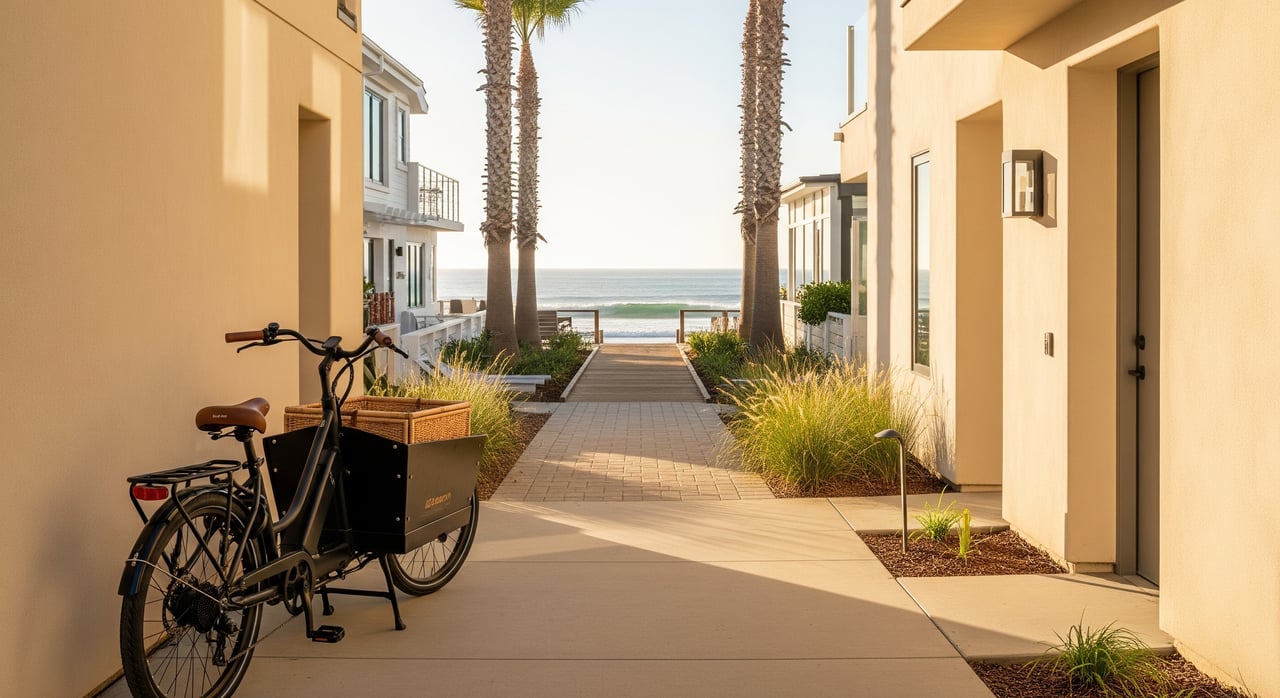
Imagine trading traffic reports for tide checks. If you want a beach-forward lifestyle with fewer car trips, Pacific Beach can make it real. You still get the energy, dining, and ocean access you love, while simplifying errands and daily movement. In this guide, you’ll learn where PB is most walkable, how to use bikes and transit, smart errand strategies, what to look for in a condo or home, and how a local agent can verify true walkability for you. Let’s dive in.
What car-light living looks like in PB
Central Pacific Beach puts much of daily life within a short walk. The beach and boardwalk, plus the main commercial corridors along Garnet Avenue and Grand Avenue, concentrate cafés, casual dining, small groceries, and services. Many buyers find a 5–15 minute walk radius covers most daily needs.
Inland residential pockets are quieter and more car-oriented. You may plan short bike rides for groceries or appointments. Nightlife near central strips stays active late, which some buyers love and others prefer to avoid. Close to the beach, residential parking rules can affect guests and second cars, so it is wise to check permit requirements by block.
Walking and the boardwalk
Central PB has short blocks and plenty of storefronts, so walking feels natural. Sidewalks are usually continuous on the main corridors, though side streets vary. When comparing homes, think in walk times, not distances. A 5, 10, or 15 minute walk “ring” from a property helps you see the real reach for coffee, groceries, and the beach.
The boardwalk (Oceanfront Walk) is a signature route for walking and casual cruising. Rules for bikes and scooters can vary by section and season. Always confirm current regulations and follow posted signs. For updates and local rules, review the City of San Diego transportation guidance. Where riding is limited, nearby streets like Mission Boulevard provide parallel routes and connectors.
Night and weekend patterns
Summer and weekends bring more visitors, which changes how streets and crossings feel. Plan errands during calmer midweek times when possible. In the evening, central streets are bright and busy, while inland residential blocks can be quieter. If nighttime walking is important to you, check lighting and activity on your likely routes.
Biking made easy
Short-distance biking is a PB staple, and e-bikes make hills and hauling much easier. Local bike lanes and signed routes link the beach to Mission Bay and adjacent neighborhoods. When choosing a home, note where bike lanes are protected versus painted and evaluate major intersections with heavier car traffic.
Secure bike storage is essential. Look for city-installed racks near your favorite spots, plus in-building storage that keeps your bike safe and dry. If you plan to carry groceries, surf gear, or a kid seat, a cargo or long-tail e-bike can replace many car trips.
Scooters and shared micromobility
Dockless scooters and shared e-bikes appear in PB based on city permits and operator decisions. Availability and rules change, including helmet and sidewalk-riding requirements. Check operator apps and the City of San Diego transportation guidance before you ride. For regional bike connections, explore the SANDAG bike network maps.
Transit and other car alternatives
Bus service connects PB to downtown and other San Diego neighborhoods. Schedules and routes change over time, so confirm current options through the MTS routes and schedules. PB does not have a rail station, though you can connect by bus to trolley or COASTER stations in nearby areas.
For occasional trips or late nights, ride-hail is popular. Many residents add short-term car rentals or carshare when they need to move bulky items or head out of the neighborhood for the weekend. Delivery and curbside pickup for groceries and restaurants reduce weekly car use even further.
Everyday errand strategies
- Combine errands: try one midweek loop for groceries, pharmacy, and essentials.
- Use delivery for staples and schedule recurring shipments for household items.
- Keep a small kit ready: a folding basket or crate for your bike, a backpack, and reusable bags.
- If surf or beach gear is part of your routine, plan for storage. Think in-unit racks, building storage rooms, or a compact locker near your favorite access point.
- Choose an e-assist cargo or long-tail bike if you expect to carry heavier loads.
- For furniture or big hauls, use ride-hail or a car rental without committing to full-time car ownership.
What to look for in a PB home
A car-light lifestyle starts with the right property. As you tour condos and homes, use this quick checklist:
- Primary errands within 5, 10, or 15 minutes by foot: grocery, coffee, pharmacy, and a transit stop.
- Secure bike storage and a convenient outlet for e-bike charging.
- Practical access to the boardwalk or a parallel bike route if riding is restricted in your preferred section.
- Clear parking context: Residential Parking Permit zone status, deeded spaces, and HOA guest policies.
- In-unit or onsite laundry to reduce trips, plus package lockers for deliveries.
Parking and permit realities
Many beach-adjacent blocks use Residential Parking Permit zones. Rules vary by block, and they can affect guests, second vehicles, and day-to-day convenience. Beachfront lots and street meters fill faster on summer weekends, so your experience may differ by season. For current rules and how permits work, review the city’s parking and permit details before you buy.
A quick amenity map for PB life
A simple, custom map centered on your future address can reveal a lot. Useful layers include:
- Beach and boardwalk access points
- Commercial corridors: Garnet Avenue and Grand Avenue
- Grocery stores, pharmacies, medical clinics, and urgent care
- Transit stops and main bus routes with a quick note on frequency
- Bike lanes and signed routes, highlighting protected versus painted segments
- Public parking lots, meters, and Residential Parking Permit boundaries
- Bike racks and shared-mobility zones
- Parks and recreation nodes, including Mission Bay access
- 5, 10, and 15 minute walking isochrones from the property
Use simple color-coding to make it scan fast. Note seasonal shifts like summer tourism in your legend so expectations match reality.
How Barbara helps you go car-light
Buying in PB is about more than a home. It is about your daily flow. As a coastal-focused, Compass-affiliated broker-associate, Barbara evaluates the “feel” of walkability and the logistics that support it. Here is how she helps you make a confident decision:
- On-the-ground audits: Barbara walks the exact routes you care about at realistic times, like a morning coffee run or an evening return from dinner, noting sidewalk continuity, lighting, and crossing quality.
- Real travel times: She times actual walks and rides rather than relying on straight-line distance.
- Building due diligence: She checks for secure bike storage, e-bike charging access, package lockers, and clear HOA guest parking rules.
- Parking and permits: She verifies whether the property sits inside a Residential Parking Permit area and how restrictions affect daily life.
- Noise and nightlife: She notes nearby bar or restaurant clusters and the late-night pattern on your block.
- Micro-infrastructure: She looks for curb ramps, audible crosswalk signals, traffic-calming measures, and the presence of protected bike lanes.
- Verified sources: She confirms current bus connections through MTS routes and schedules and reviews regional bike links via SANDAG bike network maps. For a quick snapshot of address-level walkability, she can reference Walk Score. For safety context, she points you to county and city resources like county crime data tools.
What you receive: a customized map centered on the property with 5, 10, and 15 minute walk and bike rings, a simple checklist against your priorities, and short photo or video walk-throughs of everyday routes. The goal is to make your decision simple and grounded in real life, not guesswork.
A sample car-light day in PB
- Morning: Walk 8 minutes to coffee on Garnet and stroll the beach for a quick reset.
- Midday: Bike along a signed route to Mission Bay for a workout or yoga class.
- Afternoon: Pick up a small grocery haul with a backpack and a folding crate on your e-bike.
- Evening: Ride-hail to dinner outside PB and back, without worrying about parking or a second car.
Final thoughts
Pacific Beach homes for sale can support an easy, car-light lifestyle when you choose the right location and home features. Focus on your 5–15 minute daily radius, layer in a reliable bike or e-bike, and use transit, delivery, and ride-hail for everything else. If you want clear guidance and a property matched to your routine, reach out to Barbara Huba. She will help you map it, test it, and move in with confidence.
FAQs
Is Pacific Beach walkable enough to live car-light?
- Many central PB blocks near the boardwalk and Garnet/Grand offer daily essentials within a short walk. For larger errands or regional trips, bikes, transit, ride-hail, and occasional rentals fill the gaps.
Are bikes or scooters allowed on the PB boardwalk?
- Rules vary by section and can change with the season. Check posted signs and the City of San Diego transportation guidance for current regulations, and plan parallel routes where riding is restricted.
How do parking permits affect daily life near the beach?
- Residential Parking Permit zones are common close to the beach and can limit guest parking and second vehicles. Review the address-specific rules on the city’s parking and permit details before you commit.
What should I look for in a PB condo for biking?
- Secure bike storage, an accessible outlet for e-bike charging, and easy access to protected or low-stress bike routes. A small gear nook or storage room also helps if you carry surf or beach equipment.
How can an agent verify true walkability for my routine?
- Ask for timed route checks, a custom amenity map with 5/10/15 minute rings, a building amenities review, and field photos or video of typical walks. Verified sources like MTS routes and schedules and SANDAG bike network maps support the findings.