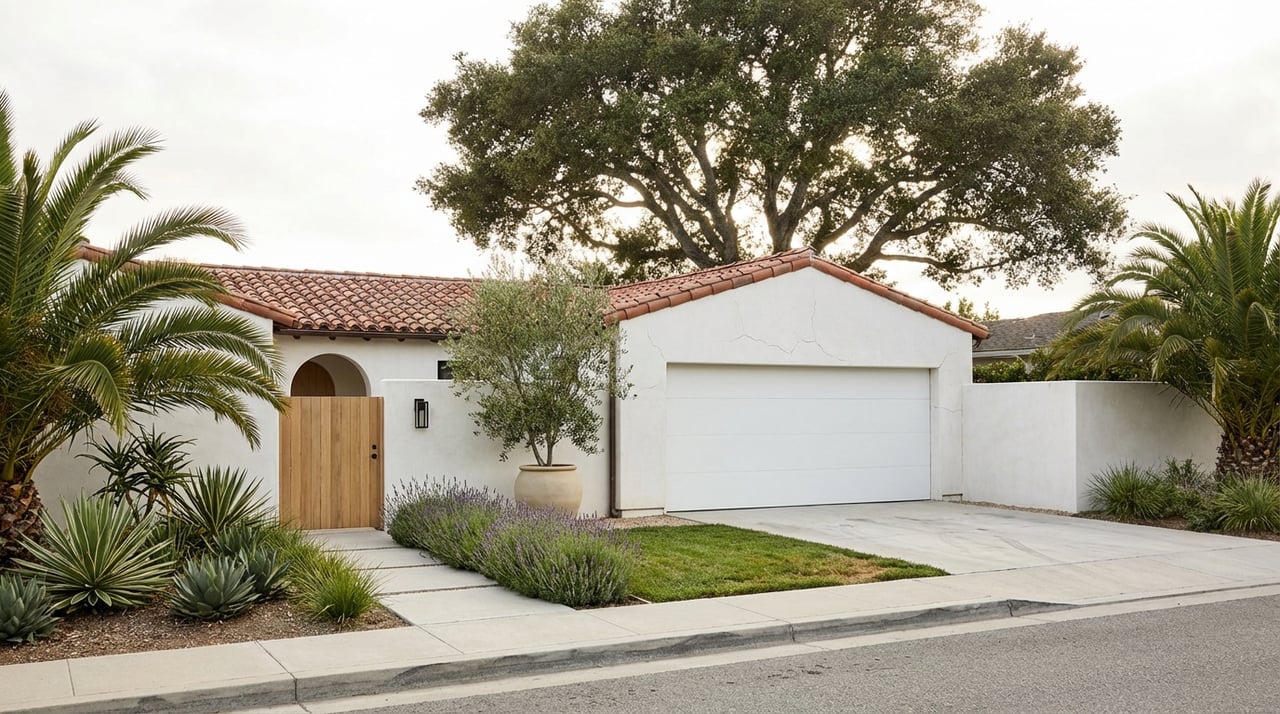
Thinking about buying in Del Mar? The ocean views are stunning, but the path to a smart purchase here is different from most markets. Prices run high, inventory stays tight, and coastal rules can shape what you can build or remodel. In this guide, you’ll learn where prices stand today, how Del Mar’s micro-markets differ, which permits and hazards matter most, and the savvy steps that help you win in a competitive, low‑inventory market. Let’s dive in.
Del Mar market at a glance
Del Mar is one of San Diego County’s most exclusive coastal markets. In January 2026, Redfin reported a median sale price around $3.9 million and quick days on market for well‑positioned homes. Monthly figures can swing because the city is small, but the takeaway is clear: stand‑out listings move fast.
Looking at a full year provides helpful context. Local MLS summaries for 2025 show an average sale price near $3.6 million and a median around $2.66 million with roughly 140 closings. That low turnover means a few ultra‑high sales can shift averages, so plan to analyze property‑level comps rather than chasing headline medians.
What this means for you: expect limited options at any moment, quick timelines on move‑in‑ready homes, and potential multiple offers on the best listings. Focus on preparation and speed so you can act decisively when the right property appears.
Match your lifestyle to the micro‑market
Olde Del Mar
Centered around Camino del Mar and Del Mar Plaza, Olde Del Mar is the village core with walkable access to shops and dining, making it a sought-after area for those exploring Del Mar Homes for sale. You’ll see a mix of original cottages, midcentury homes, and high‑end rebuilds on smaller lots. If long‑term renovation is on your mind, know that local design review and coastal rules can limit large expansions on some sites.
Beach Colony and North Beach
This is the sand‑side micro‑market closest to the beach. You’ll find beachfront single‑family homes, classic cottages, and multi‑unit buildings. Prices reflect direct beach access and views. Many properties fall under HOAs, so review CC&Rs, parking rules, budgets, and maintenance expectations early. Outdoor space is often compact and coastal upkeep adds to annual costs.
Del Mar Heights and the Crest
Up the hill and a bit inland, these neighborhoods often trade beach immediacy for more interior square footage, yards, and garage capacity. Many buyers choose this area for space and easier vehicle access. If you want room to spread out without going far from the coast, put these on your list.
Bluff and view lots
Bluff‑top and bluff‑facing properties command premiums for views, but they come with specific geotechnical, permitting, and coastal‑regulatory considerations. If you are evaluating a bluff‑edge site, factor in extra due diligence, from geotechnical reports to a careful review of coastal permits and any existing protective structures.
Considering Del Mar Mesa as a comparison
Though often discussed with Del Mar, Del Mar Mesa sits in the broader North County/Carmel Valley area. It offers estate‑style parcels and an open‑space feel. If you love the coastal lifestyle but want larger lots over beach access, it can serve as a useful comparison as you refine priorities and budget.
Rules and risks that shape value
Coastal permits and the Local Coastal Program
Del Mar is within California’s Coastal Zone. Many exterior projects, additions, ADUs, and new construction require coastal review. Before you buy, ask for the seller’s permit history, including any Coastal Development Permits. The City outlines rules and process within its certified Local Coastal Program. You can review the City’s guidance and links to LCP documents on the official City Development Documents page.
SB9 and ADU limits on some sites
California enabled ministerial lot splits and duplexes under SB9, and expanded ADU pathways. In Del Mar, these options are shaped by the City’s certified coastal rules, which exclude sensitive sites from ministerial SB9 approvals. Areas such as the Coastal Bluff Overlay, certain bluff or canyon overlays, some flood zones, and very high fire hazard areas without two evacuation routes are not eligible for SB9 ministerial approvals. Start with the City’s SB9 information and current Accessory Dwelling Units page to understand what may be possible on a specific lot.
Sea‑level rise and bluff erosion
Del Mar actively plans for sea‑level rise, beach nourishment, lagoon dredging, and shore‑protection policies. If you are near the beach or on a bluff, request any shore or bluff studies tied to the property and verify whether the City or the Coastal Commission oversees permits on that site. Start with the City’s Sea‑Level Rise and Coastal Resiliency resources to understand the planning framework.
Flooding, tsunami, and preparedness
Some coastal parcels fall within FEMA flood zones and may require flood insurance. Del Mar also publishes tsunami evacuation maps and preparedness guidance. Order a flood determination early and review the City’s Emergency Preparedness resources to understand evacuation routes and local planning.
Short‑term rental rules for investors
Del Mar’s short‑term rental program received state certification in February 2026 and includes notable limits. The framework caps total permits citywide, imposes primary‑residence requirements, sets minimum night stays, and applies neighborhood‑level sub‑caps. If rental income is part of your plan, verify eligibility and permit transferability before you make an offer. See recent coverage of the certification in The Coast News report.
Financing and true cost of ownership
Jumbo loans are the norm
Given Del Mar price points, most financed purchases require jumbo or other non‑conforming loans. For 2026, the baseline conforming loan limit for a 1‑unit property is $832,750, with higher limits in designated high‑cost counties. Review the current Freddie Mac conforming loan limits and consult your lender on the local ceiling.
Jumbo financing often means stricter underwriting: higher FICO scores, lower debt‑to‑income ratios, more cash reserves, and larger down payments. Many lenders expect 10 to 20 percent down for best pricing. Appraisals on unique coastal properties can take longer too. For a useful primer, see this overview of what a jumbo loan typically requires.
Closing costs, taxes, and assessments
Plan for buyer closing costs in the 3 to 5 percent range of the purchase price depending on your loan and local fees. Property to buy in La Jolla generally sit a little above one percent when local assessments are included, but you should verify the parcel’s Tax Rate Area and any Community Facilities District or special assessments. Use the County’s Special Assessments search to confirm carrying costs and model your annual budget.
Also ask your agent and lender about supplemental tax bills that can arrive after a change of ownership. If you are buying a condo or townhome, factor HOA dues and potential special assessments into your monthly cost model.
How to win in a low‑inventory market
In Del Mar, sellers value clean, certain offers and fast timelines. If you need financing, move beyond a simple prequalification. Secure a fully underwritten preapproval and have your lender confirm a short close if needed. Cash proof of funds and larger earnest money can signal certainty to a seller.
Consider tools like escalation clauses, appraisal‑gap strategies, or tightened contingency timelines. Each one has risk and legal implications. For a helpful overview of common tactics and their tradeoffs, review this guide to winning a bid in a seller’s market and speak with your agent about how to protect your interests.
Buyer checklist for Del Mar
Use this list to focus your search and due diligence.
- Confirm your financing path. Decide if you will use a jumbo or conforming loan and obtain a fully underwritten preapproval before touring seriously.
- Request the full permit file. Ask for Coastal Development Permits, bluff‑protection permits, and any appeals or conditions tied to seawalls, stair access, or erosion control.
- Order the right inspections. For bluff‑edge or slope lots, commission a geotechnical evaluation in addition to standard home and structural inspections.
- Check flood and evacuation data. Run a FEMA flood determination and review the City’s tsunami evacuation maps to understand insurance needs and routes.
- Review HOA health. If buying in Beach Colony or a condo/townhome, read CC&Rs, budgets, reserve studies, meeting minutes, and any litigation disclosures.
- Verify short‑term rental eligibility. Confirm permit status, transferability, neighborhood caps, and any primary‑residence requirements if you plan to host.
- Validate taxes and assessments. Use the County special‑assessments lookup, confirm the Tax Rate Area, and budget for potential supplemental tax bills.
- Confirm school boundaries. Del Mar addresses are typically served by local public districts. Always verify current attendance zones with the districts for a specific property.
- Expect seasonal impacts. The San Diego County Fair and racing season bring visitors and traffic. If you rely on street parking or plan to rent within the rules, keep seasonality in mind.
- Budget for coastal maintenance. Salt air accelerates wear on exteriors and mechanicals. Ask your inspector and local contractors about expected upkeep cycles and costs.
What living in Del Mar feels like
Daily life shifts with the seasons. Summer and event periods can bring more energy, traffic, and short‑term visitors in permitted areas. The tradeoff is having beach access, coastal trails, and restaurants close by. If you want quieter streets and more space, look uphill or a bit inland while staying within easy reach of the water.
Work with a local advocate you can trust
Buying in Del Mar rewards preparation, speed, and a clear plan for permits and due diligence. If you want an experienced, calm guide who understands micro‑markets, coastal rules, and competitive strategy, reach out to Barbara Huba. You’ll get boutique, white‑glove service backed by Compass tools and a responsive approach that keeps you a step ahead.
FAQs
What are Del Mar home prices right now and why do they vary?
- Del Mar’s median sale price was about $3.9 million in Jan 2026 per Redfin, but small monthly sample sizes and a few ultra‑high sales can shift medians, so evaluate property‑level comps and annual trends.
Can I add an ADU or split a lot under SB9 in Del Mar?
- It depends on your site; Del Mar’s coastal program excludes certain bluff, canyon, flood, and high fire hazard areas from ministerial SB9 approvals, so check the City’s SB9 and ADU rules for your specific parcel.
What should I know about buying on or near the bluffs?
- Bluff‑edge and bluff‑facing properties require extra due diligence, including a geotechnical report and a review of Coastal Development Permits and any existing protection structures.
Are short‑term rentals allowed if I buy a home in Del Mar?
- Yes under a new, certified framework with citywide caps, primary‑residence requirements, minimum night stays, and neighborhood sub‑caps; verify eligibility and permit status before you buy.
How do property taxes and special assessments work in Del Mar?
- Base taxes typically sit a little above one percent when local charges are included, but you should confirm parcel‑level Community Facilities Districts and special assessments with the County lookup and budget for potential supplemental bills.